

“PVC roof tile” and “UPVC roof tile” are common market terms, but the labels alone don’t tell you how the product will perform. Many buying mistakes happen not because the “material name” is wrong, but because critical details were not verified: whether there is a true weathering/UV cap layer, whether thickness is consistent at the crest/valley/overlap zone, whether overlap design matches the roof slope, whether flashing and ridge accessories are compatible, and whether packaging and container loading can cause hidden stress cracks in transit.
If the decision is based only on a quote that says “UPVC,” “1.5mm,” or “UV resistant,” projects are more likely to run into predictable issues—fading/chalking, cracking, heat waviness, or leakage. This article breaks those risks into practical checkpoints: what must be measured and documented, where price gaps usually come from, and how to write order requirements that reduce disputes and after-sales cost.
What “PVC” and “UPVC” mean when you’re buying

In day-to-day roofing trade, “PVC roof tile” is often used as a broad label for PVC-based roofing profiles, while “UPVC roof tile” is usually used to mean rigid (unplasticized) PVC. The issue is that the market doesn’t enforce one single definition. Two suppliers can use the same name and still sell products with very different formulations and service life.
A cleaner way to buy is to confirm the product by build structure and measurable specs: Single-layer or co-extruded structure (and what each layer is designed to do) Top surface purpose: weathering/UV layer vs cosmetic-only surface Nominal thickness plus tolerance, measured at crest, web, and valley (not only one point) Weight per square meter (or per sheet) to cross-check material content Profile drawing that clearly shows effective cover width, overlap area, and rib geometry
If a supplier can’t provide a profile drawing and a clear thickness/weight target, the product name doesn’t help much. Serious buyers treat “PVC vs UPVC” as the start of the conversation, not the decision.
Fading, cracking, deformation, leaks
Most warranty arguments come from a few repeat problems. The good news is that these are predictable and can be controlled before the order.
Fading and chalking This is the #1 complaint for distributors. It usually comes down to the UV design, pigment quality, and whether the surface layer is engineered for weathering. In strong sunlight, weaker formulations may look fine at installation and then turn dull, uneven, or powdery later. When that happens, customers don’t ask about formulation—they say “the roof is old already,” and the reseller takes the hit.
Cracking and breakage Cracks show up in three places: during sea freight/unloading, when installers step on sheets, and around fasteners when screws are over-tightened. Brittleness can be caused by formulation, but also by thickness inconsistency in valleys/edges. That’s why the same “mm thickness” on a quotation can behave very differently in real handling.
Heat deformation and waviness Heat issues are a mix of material rigidity, profile design, and installation method. Thermal expansion is real. If the installer has no guidance on hole size, washer type, and fastening spacing, even a decent sheet can end up wavy or stressed around screws. Buyers who want fewer complaints make sure the supplier provides a basic installation guide that matches the profile.
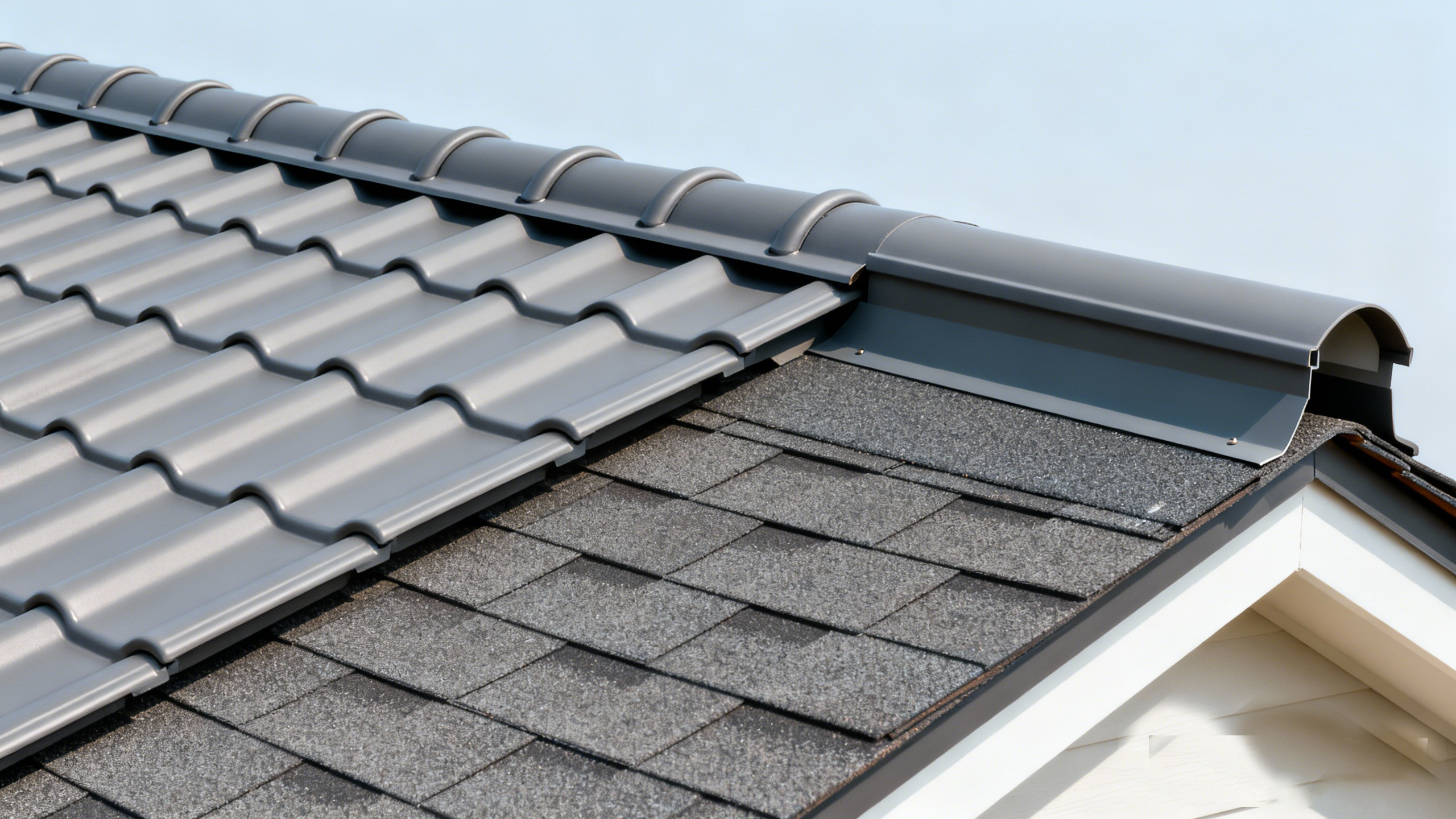
Leaks Many leak cases are overlap mistakes, wrong roof slope for the profile, missing closures, or improvised flashings. A plastic roof works best when it’s treated as a system: sheet + ridge cap + side cover + flashing + proper sealing washers. If accessories are missing or mismatched, “good material” still leaks.
What pricing is really reflecting
When buyers see a big price gap, it’s almost always explained by one or more of these factors.
Formulation and weathering package Resin grade, stabilizers, impact modifiers, and pigment quality are not marketing items—they decide outdoor stability and toughness. Cost-cutting often hides in pigments and stabilizers because the sheet can still look good at shipment. The problem shows up later when the roof is exposed to sun and heat.
Thickness control and real material content Some suppliers quote a thickness but don’t control it across the full profile. Thin valleys and thin overlap zones are common “invisible cost cuts,” and those are the first areas to crack or leak. That’s why experienced buyers compare: Weight per square meter Thickness tolerance statement Cross-section checks on sample (crest/valley/overlap)
Accessories, packaging, and export readiness A quote can look attractive because it excludes important parts: ridge caps, flashings, correct fasteners, or sealing washers. Packaging is another hidden cost: weak edge protection and poor stacking lead to cracked corners and stress marks after sea freight. Buyers who import regularly know this rule: a slightly higher unit price can be cheaper overall if it reduces breakage and claims.
Choosing what to buy by application, not by label
A practical selection method is to start with climate + building type, then match the product structure and installation system.
Hot, high-UV regions Appearance and long-term stability matter most. Buyers should focus on the surface weathering strategy, pigment stability, and clear warranty terms that define what “color change” or “chalking” means. If the supplier can’t explain how the product handles strong sun exposure, that’s a risk—no matter what the label says.
Heavy rain and wind-driven rain regions Overlap design, roof slope suitability, and accessory completeness become the deciding factors. A good supplier will specify recommended overlap length and show typical detailing for ridges and side edges. This is where “tile-look” profiles still need correct flashing details to stay watertight.
Coastal environments Plastic roofing avoids the corrosion issues that hit metal roofs, but the roof still depends on correct fasteners and sealing. Stainless or properly coated fasteners and quality sealing washers make a noticeable difference in long-term leak prevention.
Warehouses, farms, and light industrial buildings These buyers usually want reliability, quick installation, and consistent supply. Impact resistance matters because sheets get handled, stacked, and sometimes stepped on. Consistency matters because repeat orders are common; contractors notice immediately when the next container looks or fits differently.
Distribution and retail resale The biggest risk is brand damage from one bad batch. For resellers, value comes from stable color, consistent dimensions, strong packaging, and clear installation instructions that reduce customer misuse.
The buyer checklist that prevents claims before they happen

This is where professional buyers save the most money, because most problems are preventable.
Lock the sample and the specification Confirm the reference sample and document: Color and surface finish Profile drawing and effective cover width Overlap area and recommended overlap length Thickness and tolerance Weight per square meter Accessory list that matches the profile
Ask for traceability and basic QC discipline Good factories run repeatable controls: batch coding, in-process checks, and records for thickness/appearance. Buyers often use recognized testing language (ASTM/ISO methods where applicable) because it creates a common reference and reduces disputes. The goal isn’t paperwork—it’s clarity.
Confirm installation guidance before shipping A short installation sheet reduces failures dramatically: roof slope guidance, fastener type, screw spacing, washer details, and thermal expansion allowance. Many “material defects” are actually installation mistakes that could have been avoided with simple instructions.
Control packaging and container loading Write down packaging requirements: Edge and corner protection Maximum bundle height and stacking rules Support points under bundles to prevent bending Strapping method that doesn’t create pressure cracks Loading photos as proof of compliance
Define acceptance criteria and claim rules Agree in advance on what counts as a defect, acceptable damage rate, claim window, and resolution method (replacement/credit). This prevents long arguments later, especially for bulky building materials.
What working with a real manufacturer should look like, and who it fits best
A trustworthy manufacturer shows it in how they work: consistent specs, stable production, traceable batches, and a complete system approach. They don’t just ship sheets—they support the roof with matching ridge caps, flashings, side covers, and fastening recommendations. They also explain tradeoffs honestly: where to spend for weathering, where to adjust thickness for strength, and how to reduce transport damage.
This type of supplier is a strong fit for: Importers and wholesalers building a repeatable product line, where consistency is worth more than the cheapest container
Distributors and brand owners doing OEM/private label, who need stable appearance and fewer after-sales disputes
Contractors and project buyers who need predictable installation and matching accessories on time
Buyers serving harsh climates who want long-term performance rather than short-term savings
The real value for the buyer is simple: fewer broken sheets on arrival, fewer leak callbacks, fewer “color mismatch” complaints, and a product that’s easier to sell because performance is stable from batch to batch.
From a procurement standpoint, “PVC” or “UPVC” should be treated as a starting point for discussion, not a buying decision. What matters is whether the supplier can deliver consistent, verifiable, traceable product and support it as a roofing system. Five areas typically decide long-term risk. First, specification control: a clear profile drawing, effective cover width, overlap-zone dimensions, thickness tolerance, and weight per square meter—and proof that mass production matches the approved sample. Second, weathering performance with defined boundaries: a real UV/weathering layer design, pigment stability, batch-to-batch color control, and warranty wording that clearly defines fading/chalking criteria. Third, breakage and transit risk: thin valleys/edges/overlap zones, plus packaging, stacking, and container-loading standards that prevent corner cracks and stress marks. Fourth, system completeness: matching ridge caps, flashings, side covers, end closures, plus correct fasteners and sealing washers. Fifth, execution and accountability: batch coding, outbound inspection records, and clear acceptance/claim procedures. Suppliers who meet these points usually reduce total cost by lowering damage, callbacks, and disputes.