

Roof tiles don’t typically fail on the day they arrive. The real test begins after months of exposure to UV rays, heat, rain cycles, dust, and job site handling. It’s during this time that small differences in surface design and production control can lead to visible changes—loss of gloss, uneven tones, chalking, or the perception that the roof has aged too quickly. Once appearance becomes an issue, the conversation quickly shifts from technical details to questions of responsibility, returns, and reputation.
This article focuses on the factors that drive these disputes and how ASA roof tiles are designed to mitigate them. Rather than relying on slogans, we will explore the practical logic behind an ASA weathering cap, the importance of uniform aging, and the potential pitfalls that can arise from overlooked batches, packaging, or handling. If you are concerned about repeat orders, color consistency, and minimizing after-sales calls, the checkpoints outlined in this guide are the same ones that experienced buyers utilize before committing to a container.
The problems buyers actually get blamed for
Most roof-tile disputes don’t start with a lab report. They start with a phone call after the first hot season. The roof is still there, still “doing its job,” but it looks different. That’s when the arguments begin—because the building owner doesn’t pay for “acceptable polymer behavior.” They pay for a roof that keeps looking right.
If you supply wholesalers or retail stores, you’ve seen this pattern: the sample sold the order, the container arrived fine, installation went smoothly, and then months later the customer says the color has gone flat or uneven. Even when the change is gradual, the owner notices it because the roof is one of the biggest visible surfaces on the building. In coastal areas, salt-laden wind and constant humidity don’t help. In industrial zones, soot and dust stick harder when the surface loses its original finish. In hot inland climates, UV and heat accelerate everything.
That is why “color stability” and “surface durability” are not decorative claims in roofing. They decide whether a product becomes a repeat SKU or a one-time sale that causes after-sales pressure for years.
What ASA roof tile really means in day-to-day sourcing
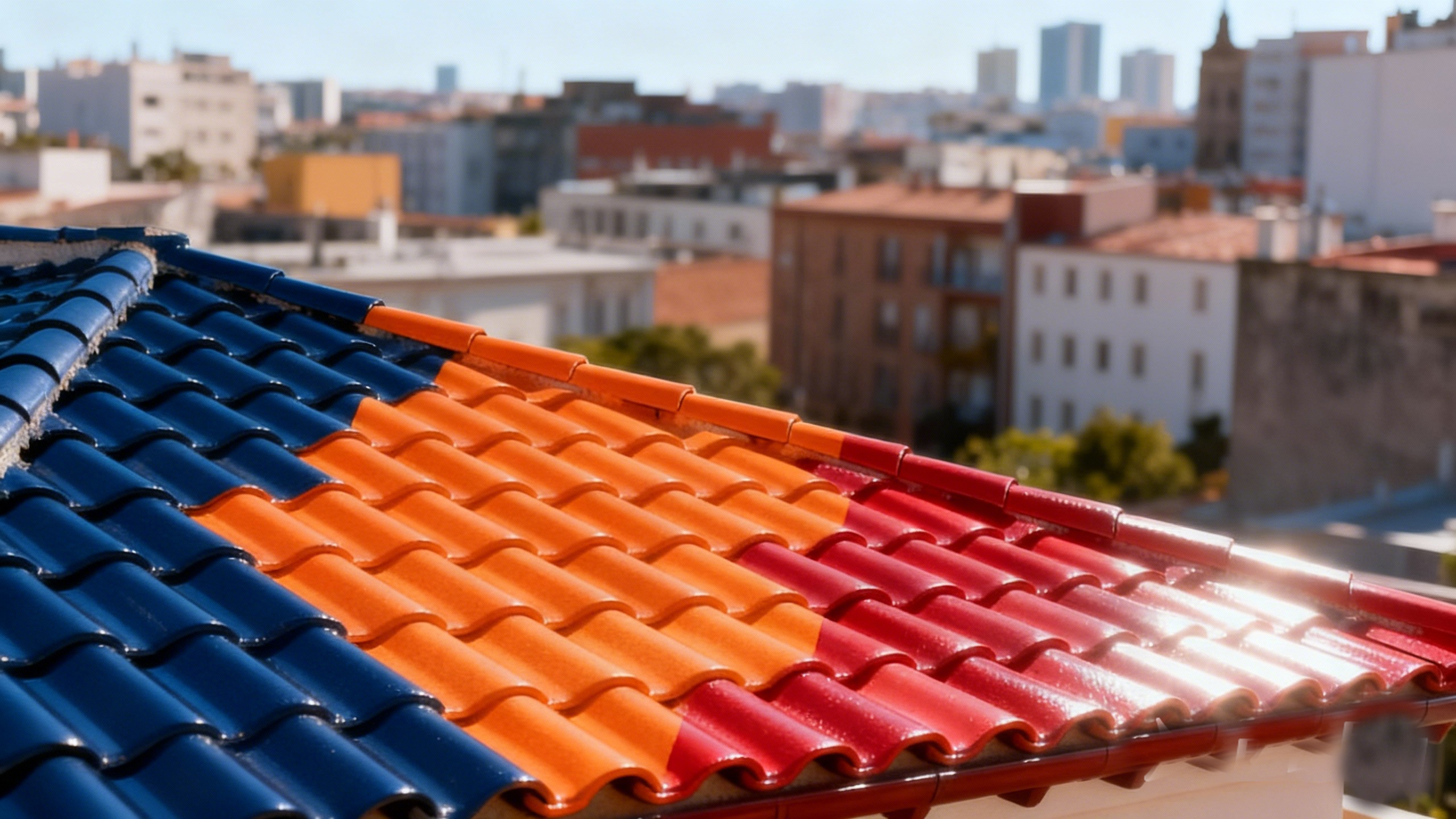
ASA roof tile is not a magic name; it’s a design approach. The roof tile is built so the sun-facing surface—the part that takes UV, rain, and dirt—has a dedicated weathering layer made from ASA. Under that surface layer is the body that provides rigidity and profile.
In practical sourcing terms, you are not only buying a thickness and a shape. You are buying a surface system. When that surface system is done correctly and consistently, the tile ages more predictably and looks more uniform over time. When it isn’t, two shipments that “look the same” when new can age differently outdoors, and that’s where disputes become expensive.
One detail experienced buyers pay attention to is consistency across production. A supplier that cannot explain the surface layer clearly, or cannot keep it consistent from batch to batch, creates long-term risk for importers. The first order might be acceptable; the second order is where the trouble starts, especially when the new stock is installed next to older roofs.
Why color changes happen—and why ASA slows down what customers notice
Color shift on roofing is mainly about what happens at the very top surface. UV breaks down surface polymers over time, and heat accelerates the process. When the surface begins to degrade, the roof’s appearance changes in ways customers can see: it looks lighter, less glossy, sometimes uneven across different slopes.
ASA is used as a weathering cap because it is designed to resist outdoor aging better than many common plastics used in general applications. In business terms, what you get is not “zero fading.” You get slower,more controlled change, so the roof keeps its intended color impression longer and stays more uniform.
Uniform aging is often more important than people think. A roof that fades evenly still looks “normal” to many owners. A roof that becomes patchy—due to inconsistent surface quality, uneven exposure, or mixed batches on one slope—looks like a defect even if the material is technically intact.
There’s also a repeat-order reality: customers extend warehouses, add carports, repair storm damage, or replace a section after maintenance work. If the original roof has held its color better, it is easier to supply new tiles later without an obvious “new vs old” contrast that makes the building look mismatched.
The difference between “still works” and “still looks acceptable”
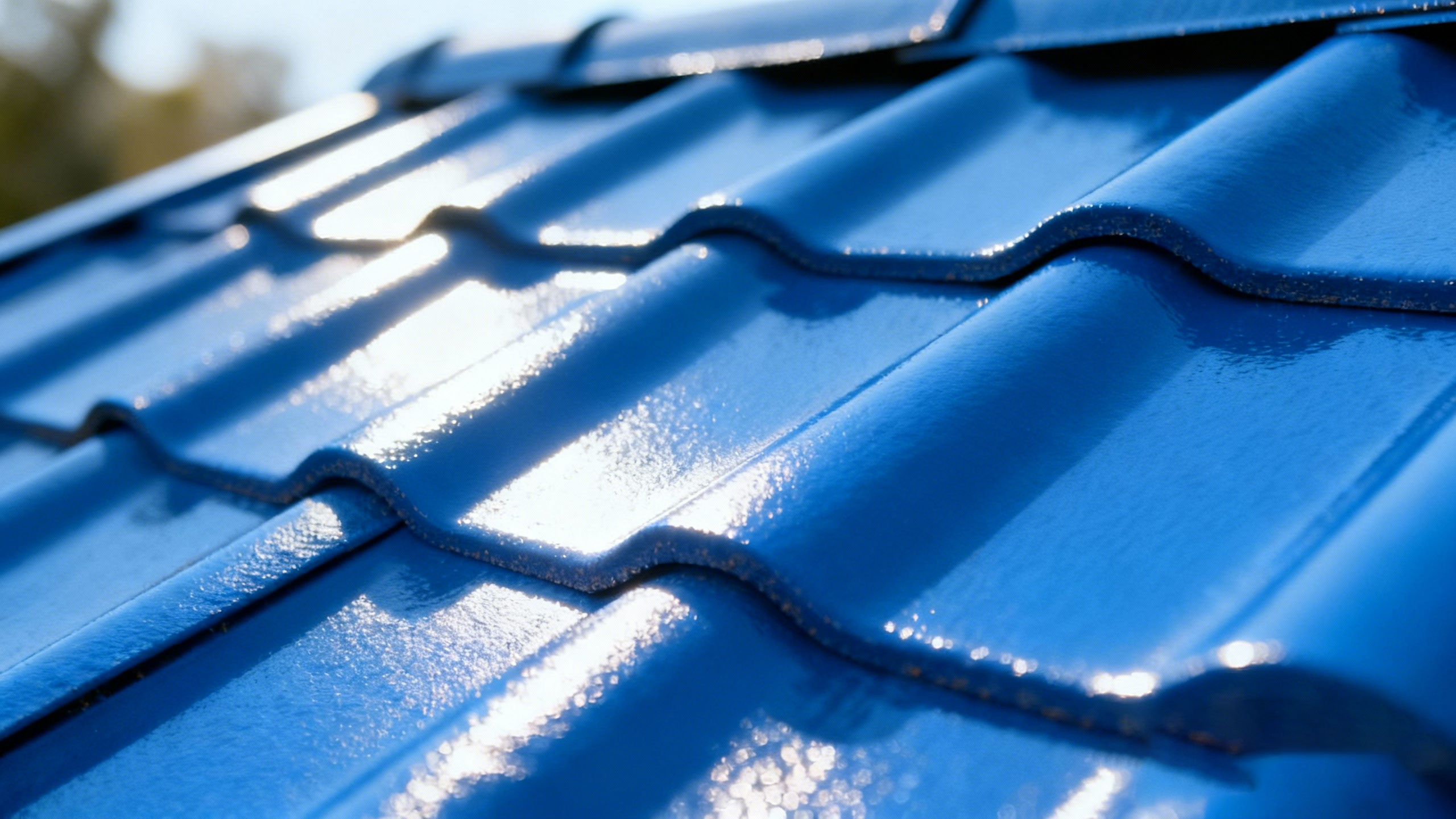
Surface durability is where most appearance complaints come from. Owners rarely describe it in technical language. They say the roof “looks old,” “looks dusty,” “is hard to clean,” or “leaves white powder.”
That “white powder” complaint is common in markets with strong sun and wind-blown dust. Once the surface starts to chalk, even a simple wipe with a hand or cloth becomes a visual test that convinces the owner something is wrong. In retail markets, that perception spreads quickly: a neighbor sees it, a contractor hears it, and suddenly the product has a reputation problem.
A more weather-stable surface delays those issues. It helps the roof hold its finish longer, so dirt is less likely to embed early and cleaning remains easier. It also reduces the chance that normal handling leaves obvious marks. Roofing products are moved many times—factory stacking, container loading, warehouse handling, delivery unloading, and then lifting onto the roof. If the surface is too sensitive, you end up arguing about whether marks happened before delivery, during transport, or during installation. A more durable surface doesn’t make a tile immune to damage, but it reduces how easily appearance problems show up under normal working conditions.
To be clear, surface durability won’t compensate for poor installation habits. Wrong fasteners, incorrect drilling, over-tightening, or stepping carelessly on unsupported areas can create problems even with good material. But a stronger weathering surface gives the project more tolerance in real jobsite conditions.
What to check before you place a container order
Serious buyers don’t rely on promises; they rely on controls. A few practical checks make a large difference.
First, confirm the product structure in a way that’s hard to “talk around.” The supplier should be able to state clearly that the ASA weathering layer is on the top, sun-facing side and explain the surface-layer concept in plain terms. If the explanation changes depending on who you speak to, treat that as a risk.
Second, lock the color using a sealed reference sample. Photos are unreliable because lighting and camera settings change. Buyers with repeat business typically keep one sealed sample on their side and one on the supplier side. That way, when re-order time comes, you compare physical reality, not memory.
Third, ask for weathering-related test references using commonly recognized methods such as ASTM G154 or ISO 4892. Accelerated tests are not perfect replicas of every local climate, but they are widely used as controlled comparisons. The important part is that any documentation should match the specific product structure you are buying, not a “similar” item.
Fourth, ask about batch control and re-order consistency. This is where many problems hide. Can the supplier mark batches clearly? Can they keep one container within one batch when appearance consistency matters? If a project needs additional quantity later, what is the supplier’s process to manage shade variation?
Finally, don’t ignore packaging and loading protection. A surprising number of “surface defects” are simply friction damage caused by poor stacking, insufficient separation, or careless container loading. A supplier who ships regularly should have packaging that protects the visible surface, not just packaging that prevents breakage.
Where ASA roof tile makes the most business sense
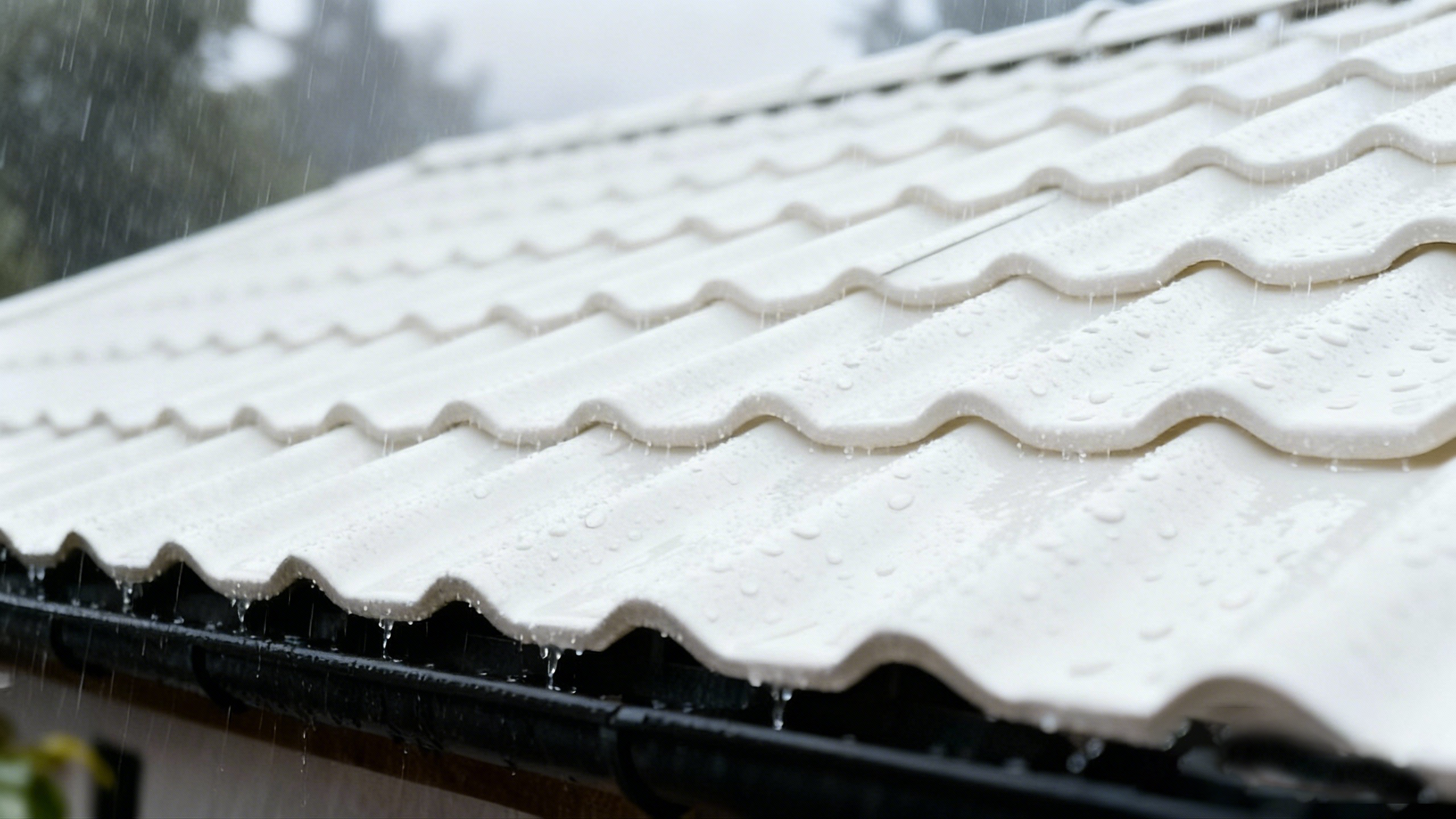
ASA roof tile is most valuable when your business depends on repeat orders, reputation, and visible roof performance. If your market is price-only and buyers accept short appearance life, the value is harder to communicate. But in many real markets—strong UV, coastal humidity, heavy dust, or high-visibility roofing—appearance durability is the difference between repeat sales and long-term headaches.
Importers and wholesalers benefit when they want a stable SKU that they can sell for years without the same complaints repeating every summer. Retail channels benefit because returns and bad reviews cost more than a small difference in purchase price. Contractors and project suppliers benefit because fewer appearance-related callbacks means fewer site visits and fewer disputes at handover, especially on public-facing roofs such as schools, markets, and commercial buildings.
From our side at duolongtrade as a manufacturer, cooperation works best when specifications are clear, color references are agreed, and the buyer is building a long-term line—not chasing a one-time shipment. The most practical partnerships are the ones where both sides treat the product as a system: stable production, export packaging that protects appearance, and matching accessories when the project needs them. Those details are not “extra.” They are what keeps a roof product profitable after it leaves the port.
A short section many buyers add to avoid complaints later
A lot of color and surface complaints are amplified by avoidable on-site practices. Mixing different production batches on the same roof slope can make normal shade variation look like a defect. Using harsh solvents or aggressive cleaning methods can damage the surface and create early dullness. Poor ventilation design under the roof can increase heat buildup, which accelerates visible aging in any material. Even choosing the wrong fastener or tightening method can cause stress marks and distortions that owners interpret as “material failure.”
These are not excuses—they are common realities. A supplier who has handled many export projects usually shares these points early because preventing disputes is cheaper than arguing later.
When I purchase roofing for distribution or projects, I’m not just acquiring a profile and a price. I’m also considering the associated risk profile: how the roof will look after the first hot season, the consistency of the next shipment, and how many disputes I’ll have to manage when a customer compares a roof to a sample. ASA roof tile proves its value when it is treated as a controlled surface system—featuring an ASA weathering cap on the sun-facing side, produced consistently, and safeguarded through packing, loading, and handling.
The supplier’s role is as crucial as the material label itself. I expect a clear product structure, stable batch control, and a repeatable approach to managing color—utilizing sealed reference samples, batch markings, and a realistic re-order process. I also seek meaningful weathering documentation that is specific to the product I’m ordering, rather than generic reports. Lastly, I want export packaging that protects the appearance, as many quality claims are often lost due to avoidable friction damage. When these fundamental aspects are in place, ASA becomes more than just a marketing term; it becomes a practical tool for reducing complaints and safeguarding long-term sales.